
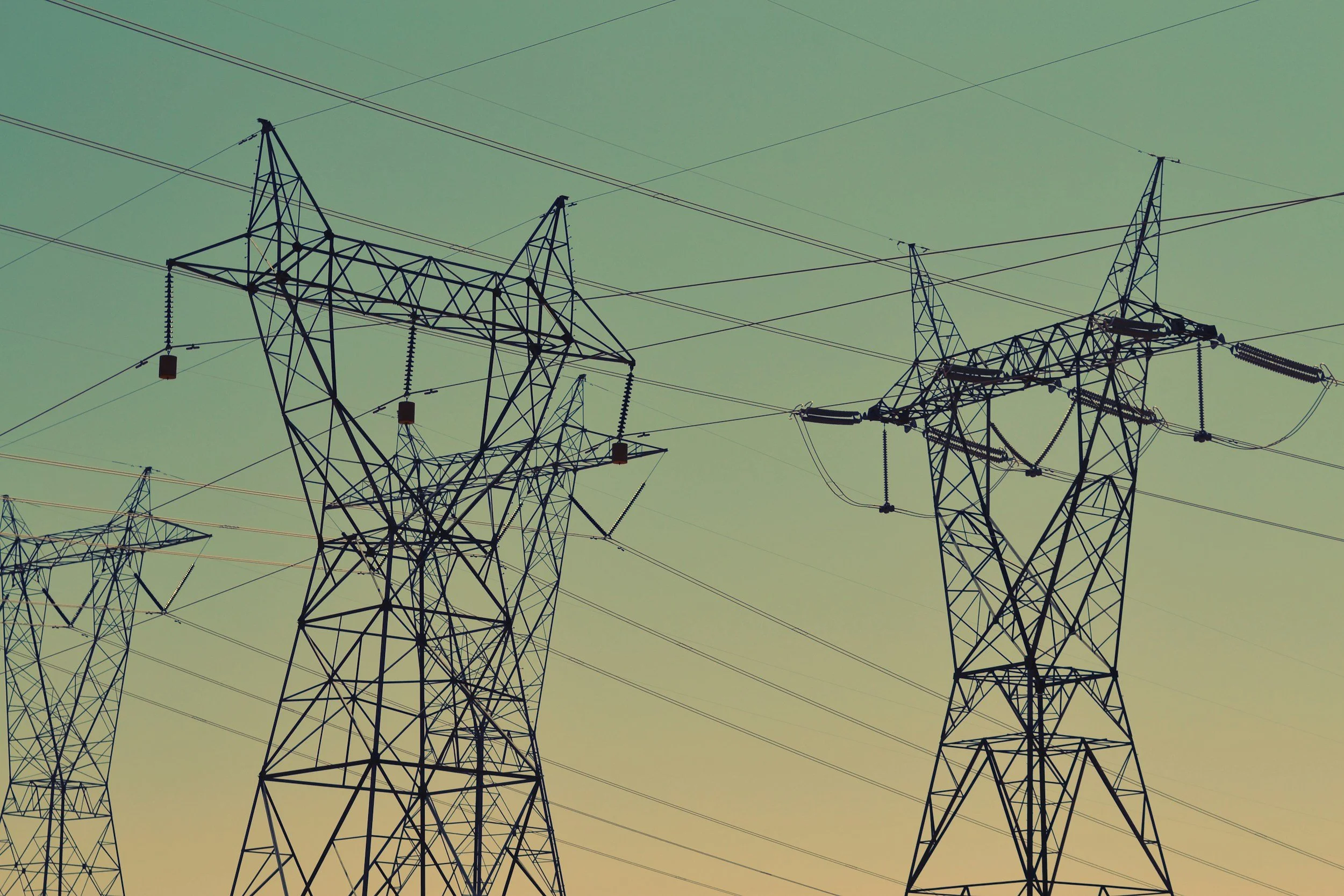
CHEAPER ENERGY

Energy costs are climbing nationwide…
but Baltimore has become the epicenter of the crisis. Exelon, the largest utility company in American history, has poured political money into Maryland, limiting our leaders’ ability to stand up to them. In Baltimore, that influence was clear when the company teamed with local officials to push through a backroom deal that handed over our public conduit system and left residents with millions in new costs.
Wholesale energy prices are hitting record highs, and here at home those costs are compounded by oversized infrastructure projects that boost Exelon’s profits while burdening our neighborhoods. These projects have driven up bills, torn up our streets, and forced unwanted equipment into our communities. The result: unprecedented shutoffs that have cost people their homes and destabilized families. Baltimoreans are being asked to pay more and get less.
As a councilman, I’ve worked to hold BGE accountable for price gouging and for gaming the system at the expense of our residents. That work has made one thing clear: we can’t wait any longer for real utility reform.
-
by introducing PUHCA 2.0 to rein in utility conglomerates, banning political spending, and tying profits to reliability and affordability.
-
to end the conflicts of interest that has allowed Exelon has poured money into Annapolis and Baltimore politics to shield itself from accountability.
-
by guaranteeing jurisdictions the right to form Community Choice Aggregation programs, and expand federal support for community solar, microgrids, and local clean power.
-
by requiring that large corporate users cover the full cost of the infrastructure they trigger and block any new load that raises household bills.
-
by introducing legislation to roll back market structures that prioritize corporate profit over community stability, ensuring regional prices serve the public good instead of Wall Street.